
The funding and our role
The Boiler Upgrade Scheme.
Understand the grant, our no-contribution approach and the checks before an installation can go ahead.
Explore the scheme
We identify homes that may suit a fully funded heat pump upgrade and help households understand the next steps.
Installations are subject to eligibility, property suitability, final checks and approval.

We are an independent property checking and referral business. Our team helps suitable households take the next step towards a fully funded heating upgrade.
We are independent of government and are not the installer.
More about Grant Checker →Your home has been selected through our initial property checks. You can ask us to contact you, or complete the preliminary questions online for our team to review.
Continue from your letter →No letter? Check your property →Speak with us or complete the preliminary questions online. Choose the route that suits you.
Grant Checker reviews your information, identifies the next step and explains the process to you.
With your permission, we introduce a suitable enquiry to an MCS-certified installer for technical assessment.
Understand the grant, our no-contribution approach and the checks before an installation can go ahead.
Explore the schemeSee how a heat pump warms your radiators and how your existing immersion-heated hot water is retained.
Explore the heat pump guideCall us or request contact online. Our team will explain the next steps for your property.
Our preliminary checks are free. We are paid by the installer. How our service is funded →

The Boiler Upgrade Scheme provides a standard government grant of £7,500 towards air-to-water heat pump installations in eligible homes across England and Wales. Homeowners and private landlords can qualify, including those with electric heating—you don’t need an existing boiler. Your MCS-certified installer applies on your behalf and deducts the grant from the installation price.
No deposits. No customer contribution.
Subject to property suitability, final checks and approval.
How our approach worksThe Boiler Upgrade Scheme supports eligible heating upgrades in England and Wales. The grant is deducted from the installation price by an MCS-certified installer.
We’ve worked with MCS-certified installers to develop an approach where the Boiler Upgrade Scheme grant covers the complete heating installation for suitable homes.
Subject to property suitability, final checks and approval.
If you choose to continue, the MCS-certified installer submits the grant application and deals with Ofgem on your behalf. Ofgem contacts the property owner to confirm that the installer is acting for them. The grant is shown as a deduction on the quotation; a fully funded installation is confirmed where the final written quotation shows £0 to pay.
For eligible properties heated by oil or LPG with no mains gas connection, an additional £1,500 is available until March 2027. Check the current grant amounts on GOV.UK.
Our preliminary checks are free. We are paid by the installer. How our service is funded →
Your home has already been selected through our initial property checks. Choose a conversation with our team or tell us more online.
You’re welcome to enquire. Ask our team to review your property, wherever you are in England or Wales.
Our team reviews your information first. You can speak with us before your details are shared with an installer.
A letter is a starting point. The checks confirm what is possible.
Our current focus is homes using electric, oil or LPG heating that may suit an air-to-water heat pump.
Size, heating needs, available space and existing equipment affect the proposed system and whether it can be fully funded.
The installer checks scheme eligibility with the property owner. Landlords can be involved for rented homes; tenants need their landlord’s agreement.
These are starting points, rather than a complete eligibility checklist. See the official eligibility guidance.
We explain the process, carry out free preliminary property checks and introduce suitable households to an MCS-certified installer. We are independent of government and are not the installer.
The installer completes the technical survey, designs the system, confirms the work and funding, and applies for the grant on the owner’s behalf.
You can ask questions and consider the proposed work before agreeing. There is no obligation to proceed after Grant Checker’s preliminary checks.
Our team can explain the process and help you choose the next step for your home.
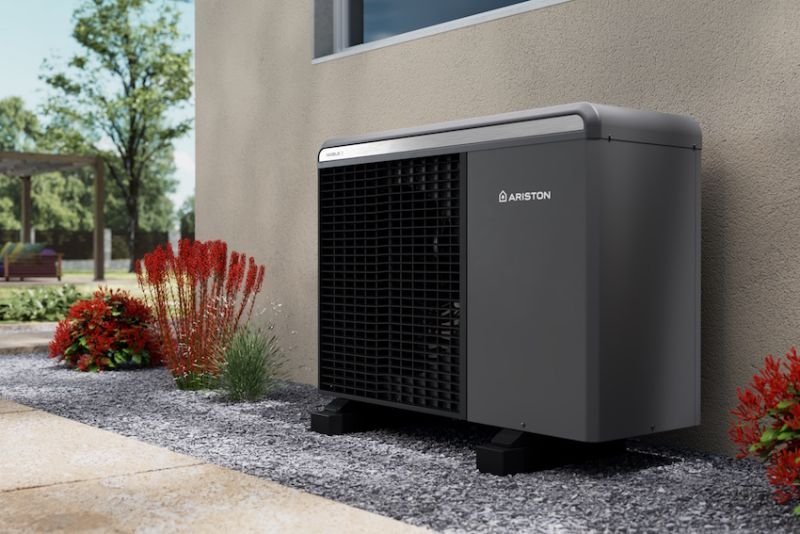
An air-to-water heat pump takes heat from the outside air and uses electricity to raise its temperature. It transfers that heat into water circulating through your radiators to warm your home.
The outdoor unit draws heat from the air. A compressor raises its temperature so it can be used in your home.
The heat is transferred into water, which travels through connecting pipework.
Your radiators release the warmth into your rooms, with controls to manage the heating.
Heat pumps can work below freezing. Your installer designs the system for your home and the local winter conditions.
Replacing conventional electric heating can reduce heating bills. Your installer will explain the expected performance and savings for your home.
The proposed work is explained before you decide to go ahead.
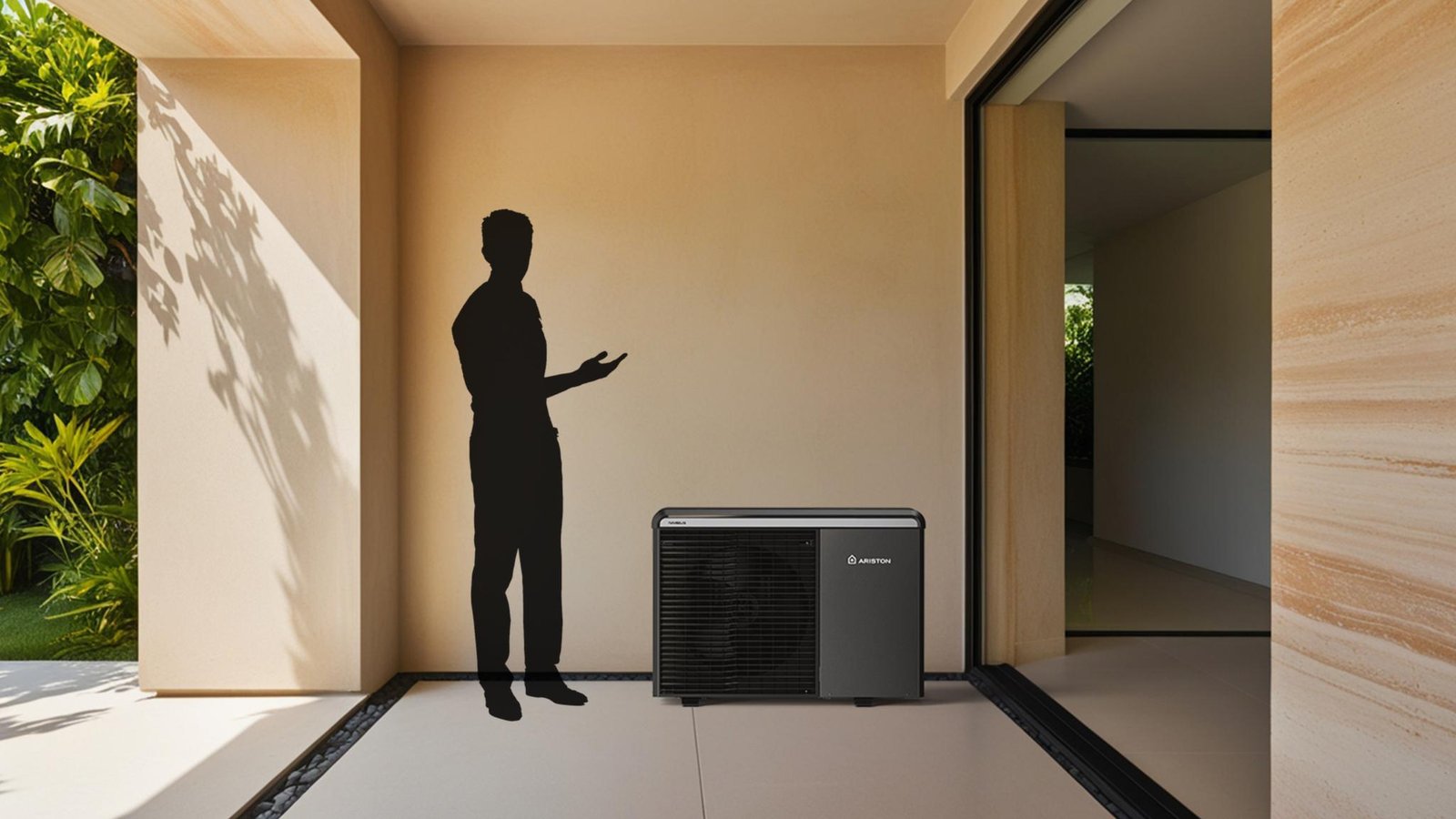
Our installers use the Ariston Nimbus 5 R290 range: compact air-to-water heat pumps with natural R290 refrigerant, adjustable noise-reduction settings and smart heating controls.
Ariston reports efficiency of up to 5.1 units of heat for each unit of electricity used under specified test conditions. Actual performance depends on the model, weather and heating-system design.
Explore Nimbus 5 on Ariston’s website ↗A unit is installed outside your home. The installer checks the location, airflow, space and noise considerations.
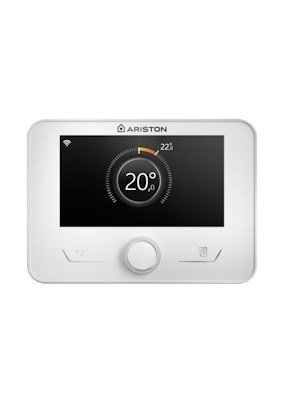
Your radiators, pipework and heating controls are assessed. New or larger radiators and other changes may be needed to suit the system.
Homes with individual electric heaters may need new connecting pipework. Some pipes may be visible or boxed in. Routes could include the loft, beneath suitable floors or along walls; the installer explains the layout and finish before you agree. If loft access is proposed, tell us if you need help preparing the area.
Your working hot-water cylinder will normally remain in place and continue using its existing immersion heater, subject to the installer checking its condition and suitability. Retaining this equipment helps us keep suitable installations fully funded, with no contribution from you.
If you would prefer a new cylinder, this can be discussed with the installer and arranged as a separately quoted upgrade at an additional cost.
Every property is different. The technical assessment confirms the equipment, any necessary changes and the work involved.
Whether you received a letter or found us online, we can explain the process and help you understand the next steps.
We help households understand whether their home could suit a fully funded heating upgrade, and help them take the next step with an MCS-certified installer.
We are an independent property checking and referral business. We are independent of government and are not the installer.
We research properties and contact households whose homes appear to match our fully funded approach. You can also come to us without a letter.
Our team reviews your property details and preliminary survey. We can guide you through the questions over the phone or review the answers you provide online.
Where appropriate, we help connect you with a suitable MCS-certified installer. You choose whether to speak with us before we share your enquiry.
Grant Checker is paid by the installer after a successful installation. Our preliminary checks are free, and that payment does not cost you anything.
There is no obligation to proceed after our preliminary checks. You can ask questions and consider the proposed work before deciding.
Your home has already been selected through our initial property checks. Choose a conversation with our team or tell us more online.
You’re welcome to enquire. Ask our team to review your property, wherever you are in England or Wales.
Our team reviews your information first. You can speak with us before your details are shared with an installer.
Our initial property checks identified your home as a potential match for our fully funded heat pump offer. Choose how you’d like to continue.
We’ll explain the process and answer your questions. If you’re happy to proceed, we can go through the preliminary eligibility survey with you over the phone.
Your answers will help our team assess eligibility. You can ask us to contact you first, or choose an introduction to a suitable MCS-certified installer to guide you through the next stage.
Final suitability and £0 to pay are confirmed through the installer’s assessment and written quotation.
Tell us your address and a little about your home. Our team will review the available property information and explain the next steps.
A missing or unclear EPC does not stop you enquiring. We welcome enquiries across England and Wales, including outside our current installer areas.
Leave your contact details and our team can help with the preliminary questions.
Tell us what you know. “Not sure” is fine, and photos are optional.
This is a team review, not an instant eligibility result. The installer confirms suitability and the final written quotation.
Complete the preliminary questions for our team to review. “Not sure” is fine, and you choose what happens before an installer introduction.
Leave your preferred contact details. Our team can explain the next steps and help gather the property information with you.
Complete the questionnaire or request contact to send an enquiry to Grant Checker.
Get started